Home › Learn › Museums
📍 Armenia · Travel Guide

Museums to Visit When Traveling to Armenia

From the world's richest trove of ancient manuscripts to memorials, art collections, and merchant houses beyond the capital — here are the museums worth building your trip around.

14
Featured Museums
6
Cities & Regions
In Our Directory

Browse These Museums & Book Your Visit

Each museum has its own page with photos, hours, location, and contact details. Admission notes below are a guide — always confirm current prices and hours before visiting.
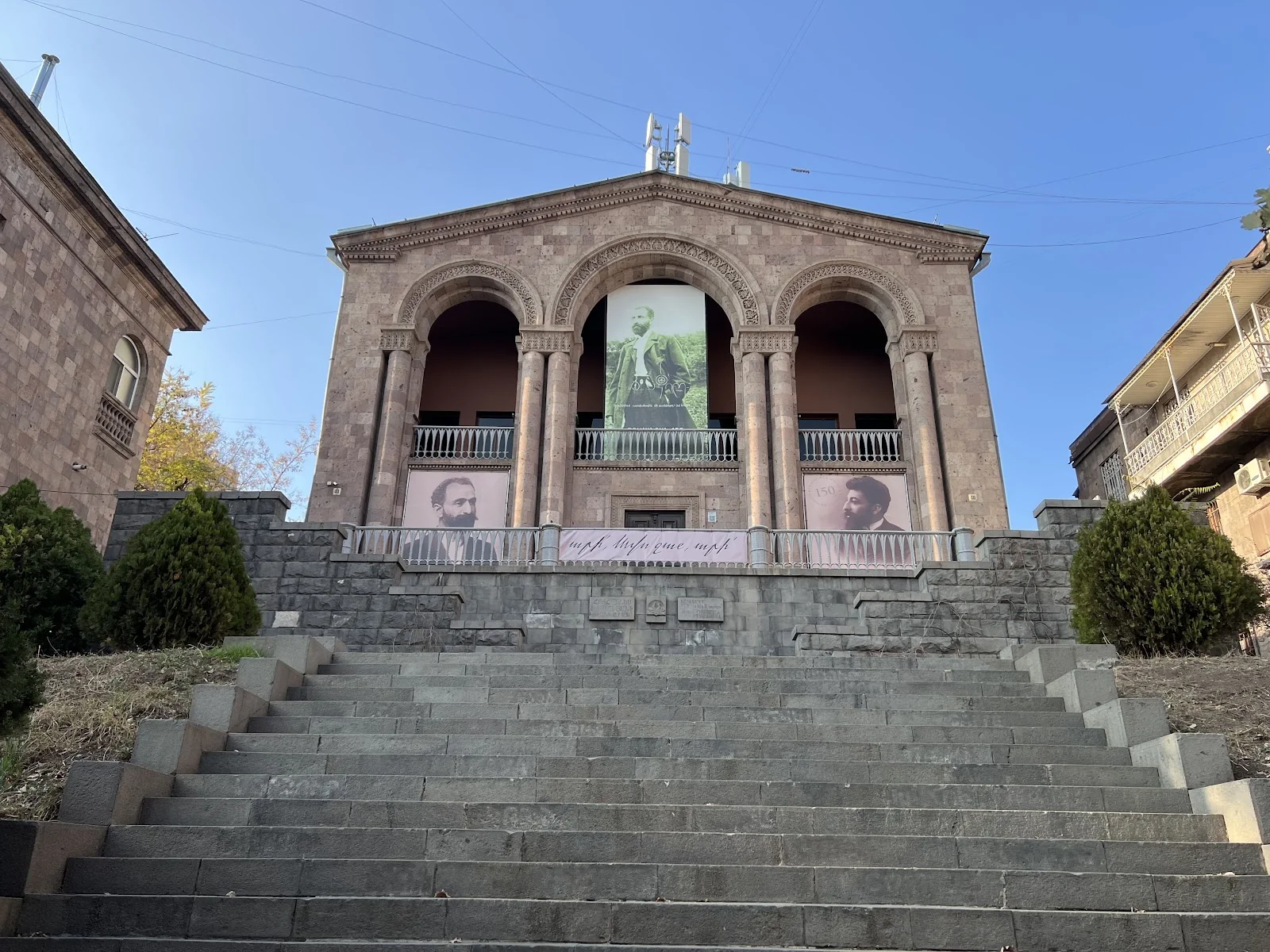
Matenadaran
Matenadaran
Yerevan, Armenia

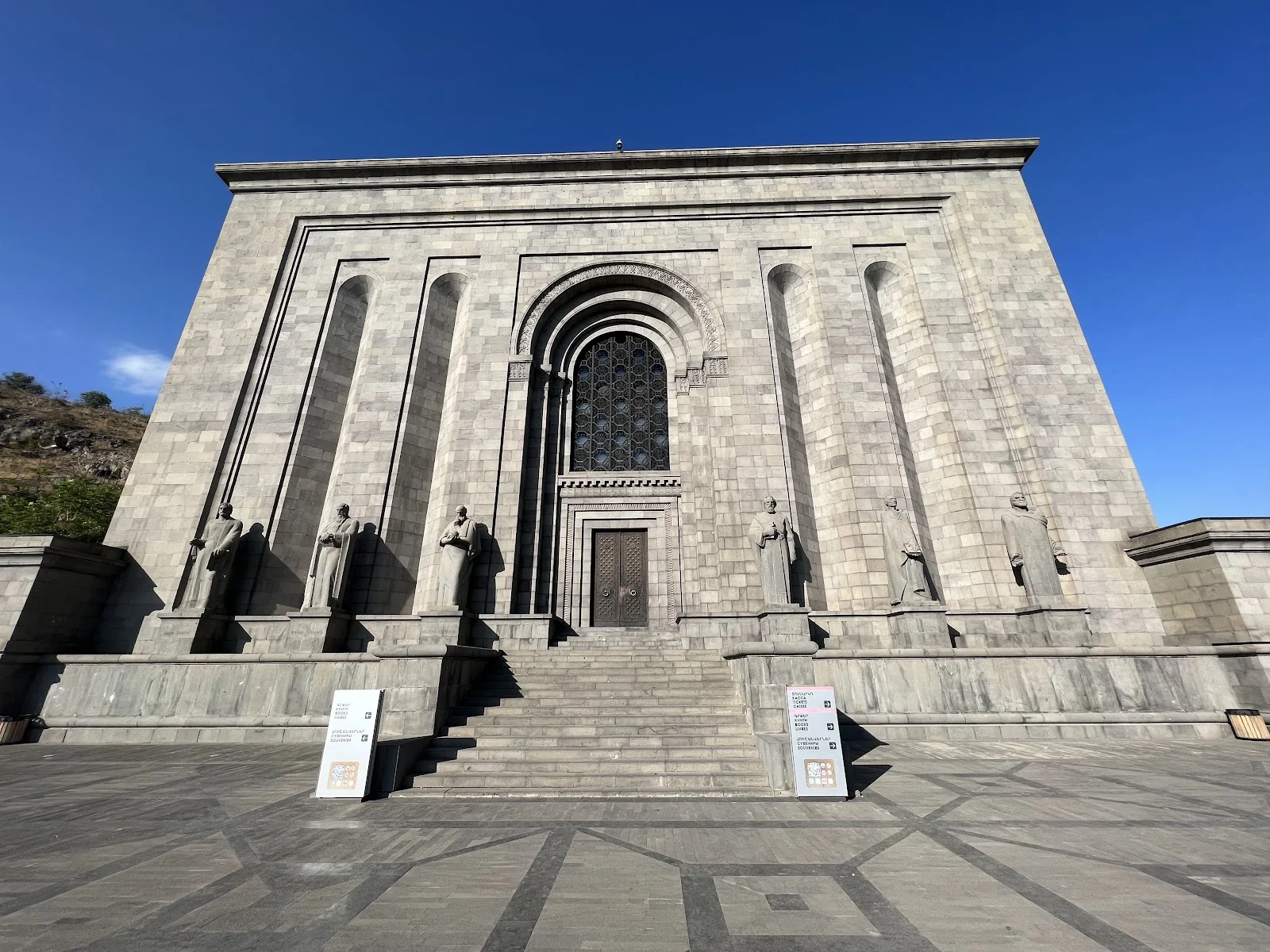
The world's largest collection of Armenian manuscripts — 17,000+ illuminated Gospels, ancient maps, and texts.

Ticketed · 2,000֏Closed Mondays
View Listing →
History Museum of Armenia
Yerevan, Armenia

Armenia's flagship history museum on Republic Square — from the Bronze Age and Urartu to modern times.

TicketedClosed Mondays
View Listing →
National Gallery of Armenia
Yerevan, Armenia

The country's premier art museum — Armenian, Russian & European masters, including Aivazovsky seascapes.

TicketedClosed Mondays
View Listing →
Armenian Genocide Museum
Yerevan, Armenia

Moving museum and memorial at Tsitsernakaberd documenting the 1915 Genocide. Most-visited museum in Armenia.

Free admissionClosed Mondays
View Listing →
Cafesjian Center for the Arts
Yerevan, Armenia

Modern art built into the Cascade staircase, with a sculpture garden and sweeping city views.

Free entryGarden open daily
View Listing →
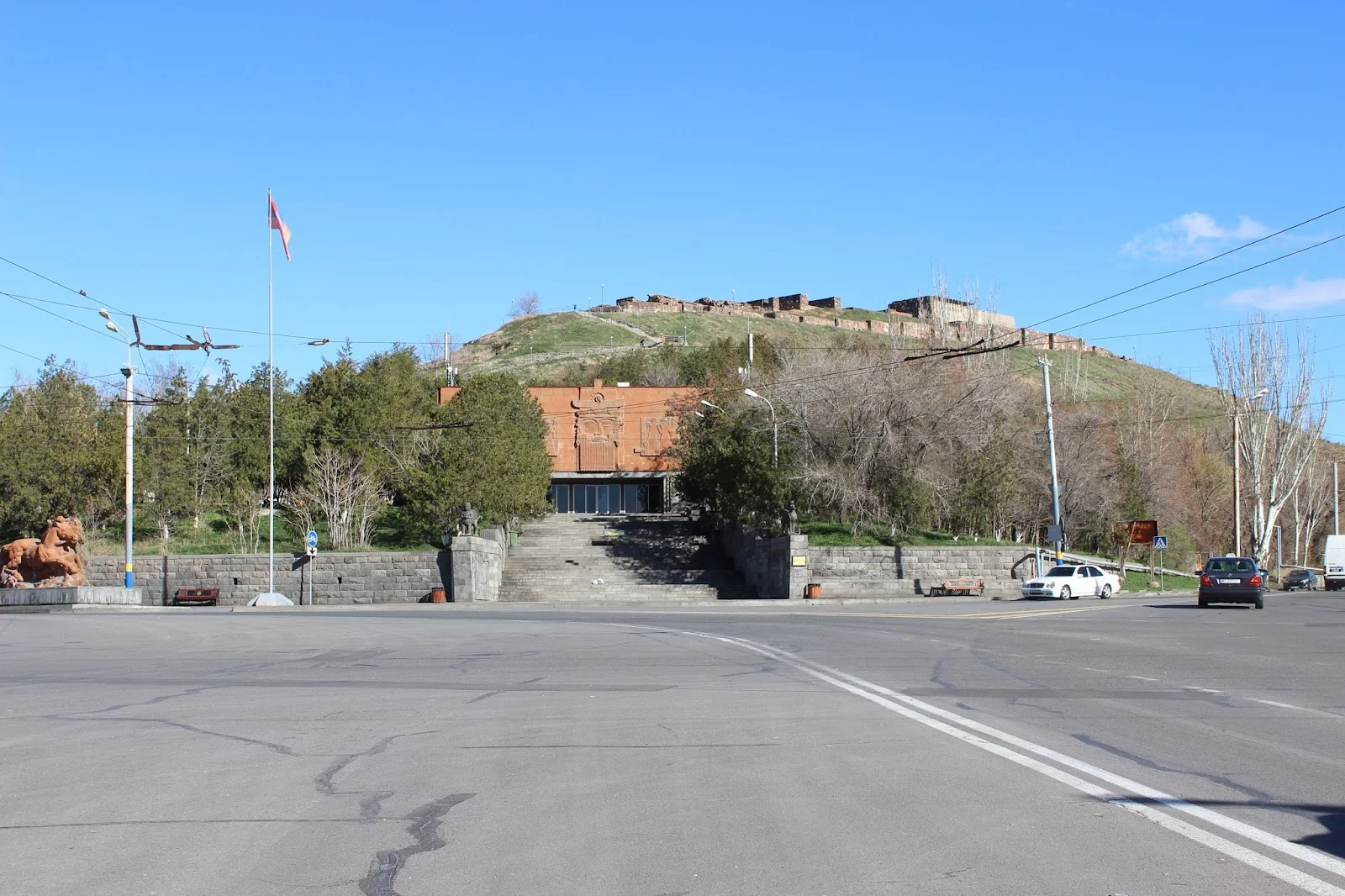
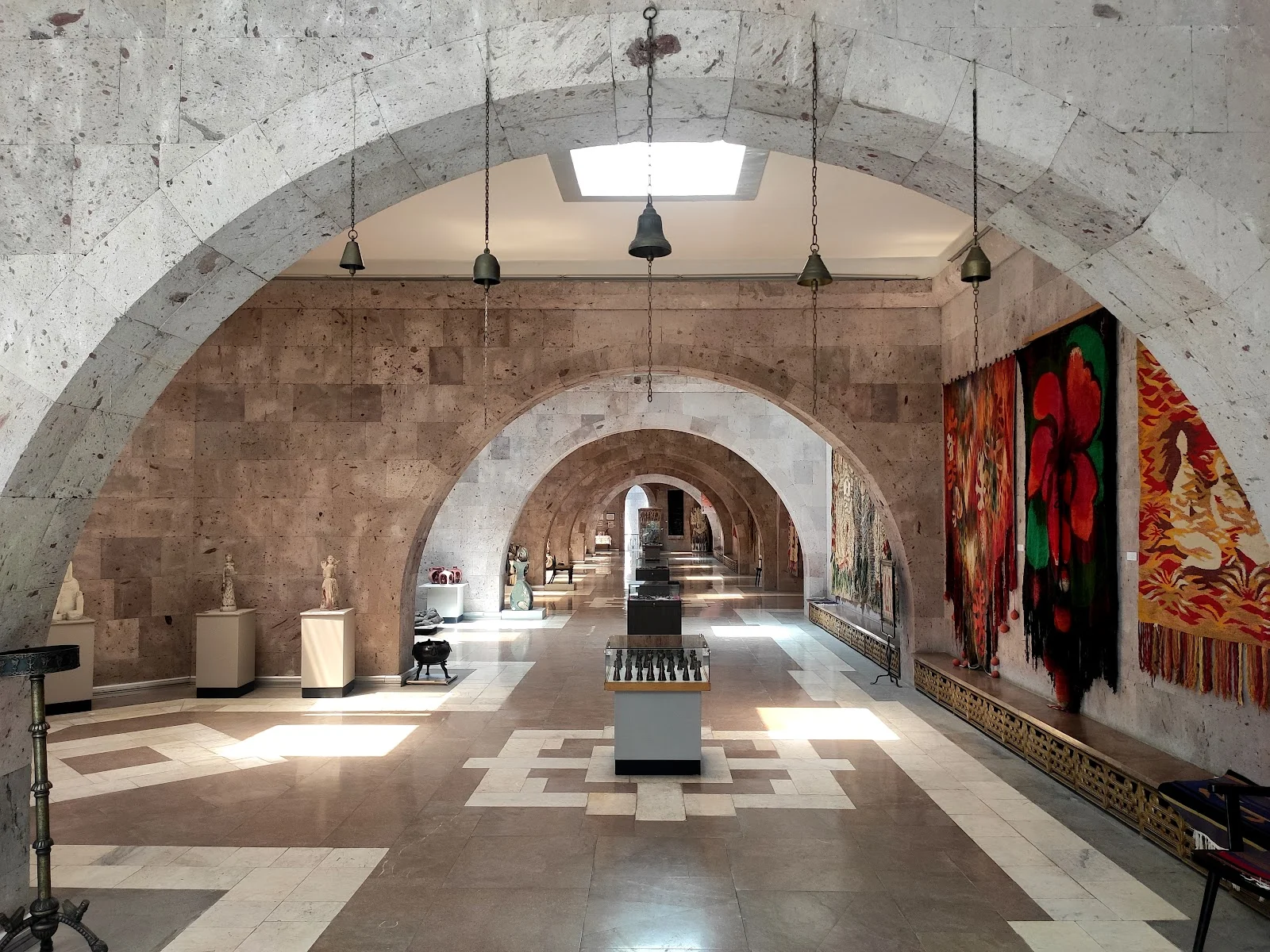
Erebuni Museum
Erebuni Museum
Yerevan, Armenia

The 782 BCE Urartian fortress where Yerevan was founded — climb the citadel above the museum.

Ticketed · ~1,000֏Closed Mondays
View Listing →
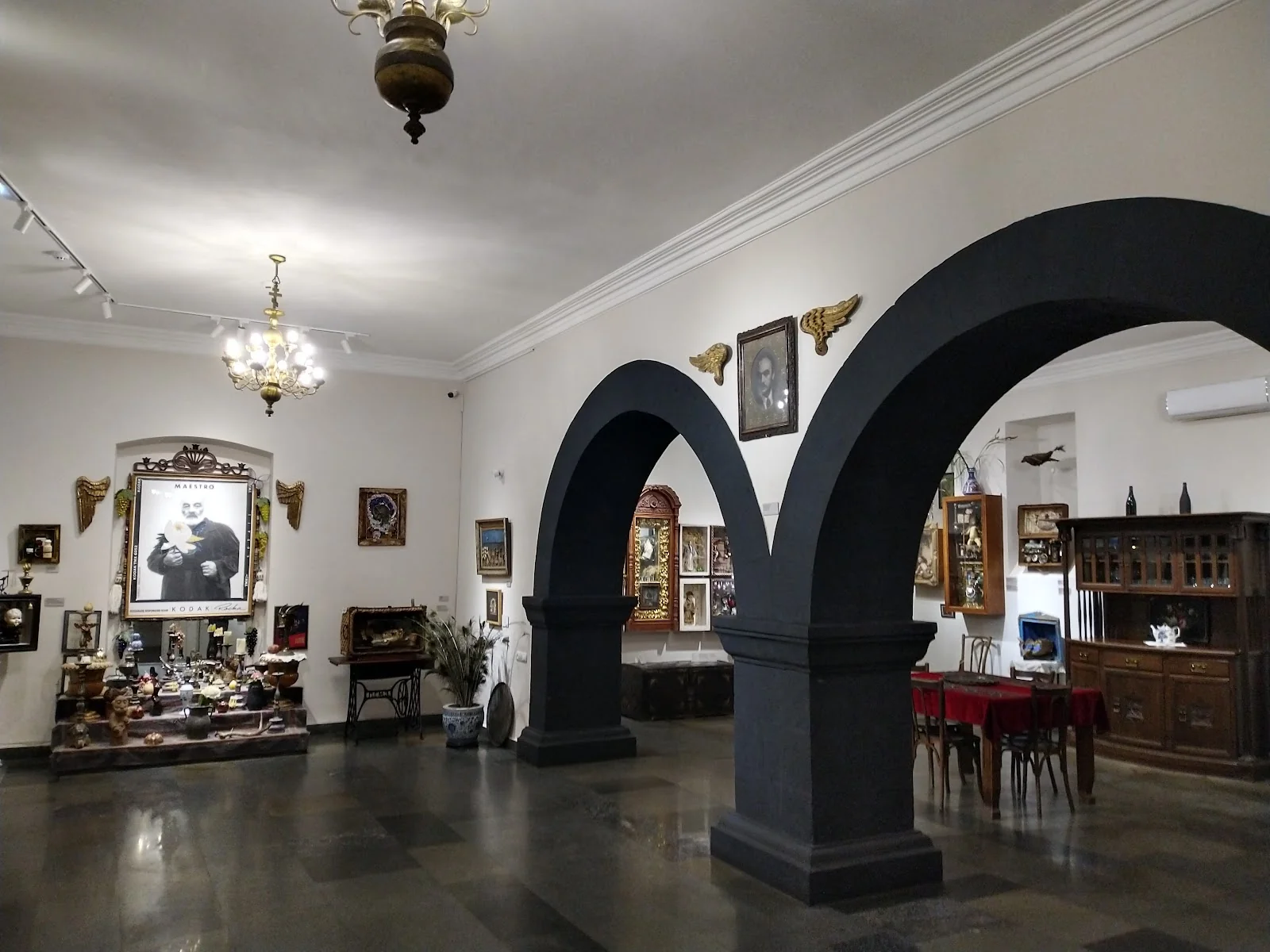
Sergei Paradjanov Museum
Yerevan, Armenia

Joyful, surreal collages and creations of the legendary filmmaker and collage artist.

TicketedOpen daily
View Listing →
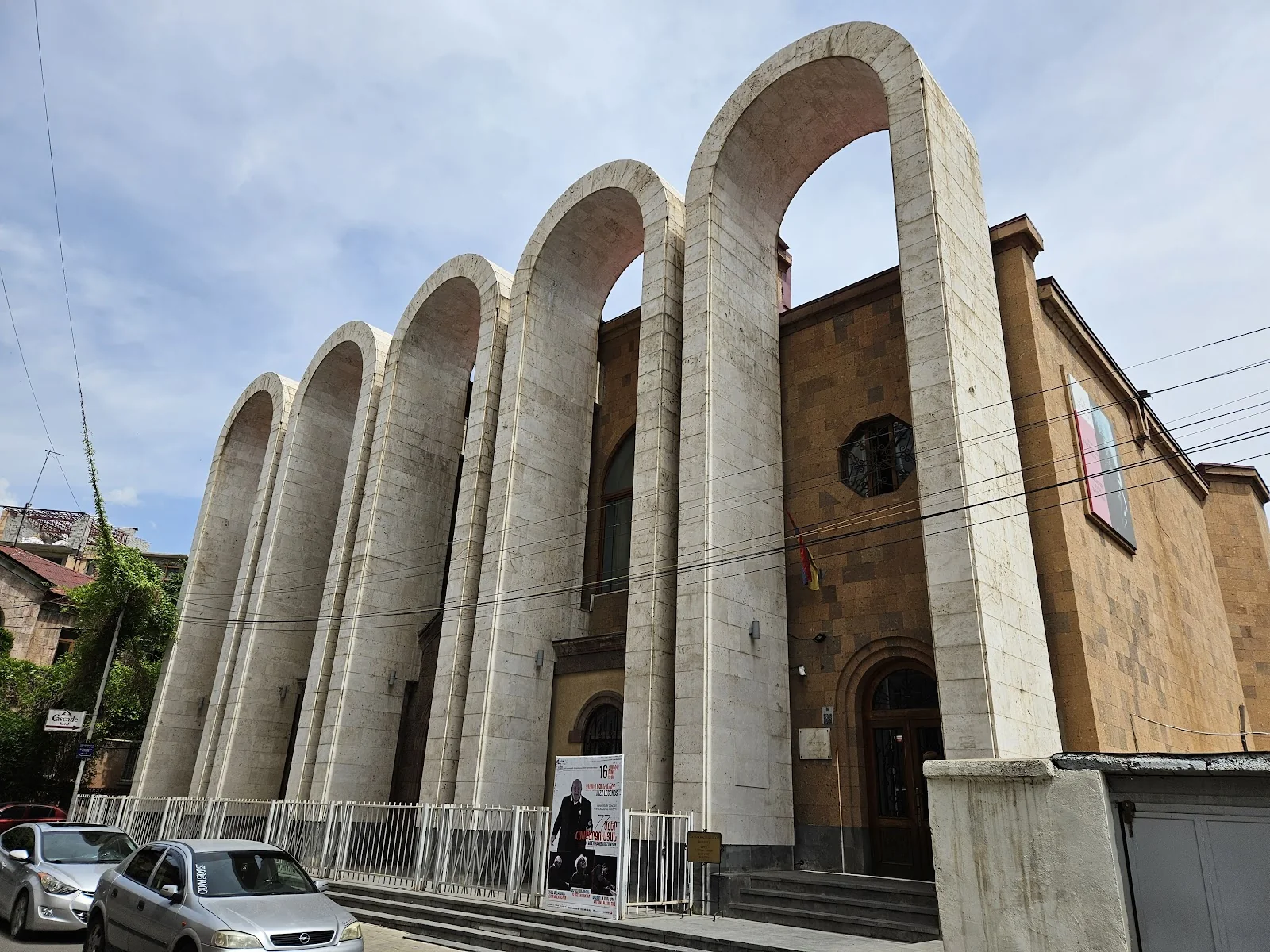
Aram Khachaturian Museum
Yerevan, Armenia

The home of the composer of the Sabre Dance, with his piano, scores, and personal effects.

TicketedClosed Mondays
View Listing →
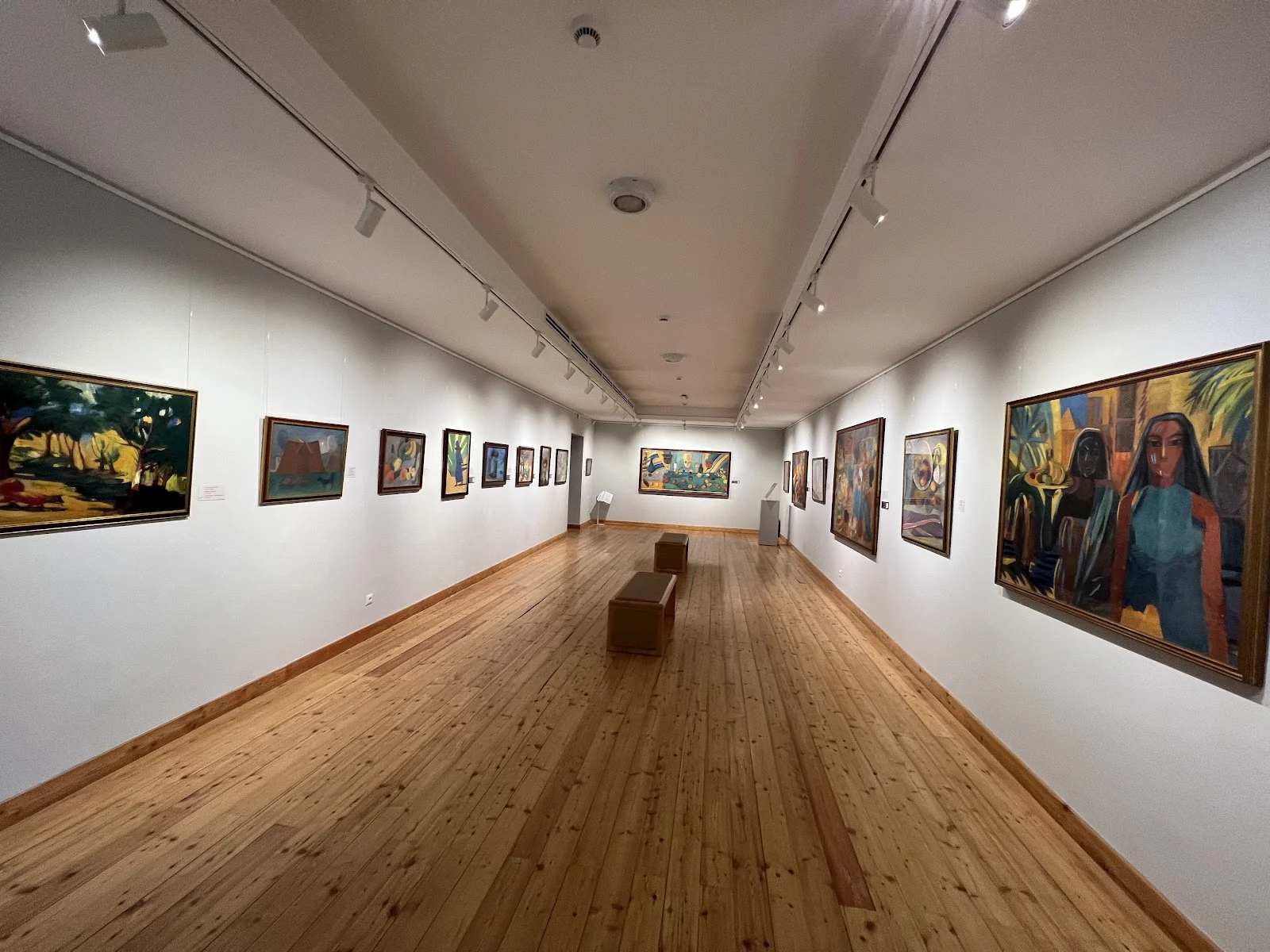
Martiros Sarian House-Museum
Yerevan, Armenia

Vivid canvases of Armenia's master colorist, shown in his former home and studio.

TicketedClosed Mondays
View Listing →
Hovhannes Toumanian Museum
Yerevan, Armenia

Dedicated to Armenia's most beloved writer, with manuscripts and personal belongings.

TicketedClosed Mondays
View Listing →
Sardarapat Memorial & Museum
Armavir, Armenia

1918 battle memorial plus the Ethnography Museum of Armenia, with 70,000+ folk-art items.

Ticketed~1 hr from Yerevan
View Listing →
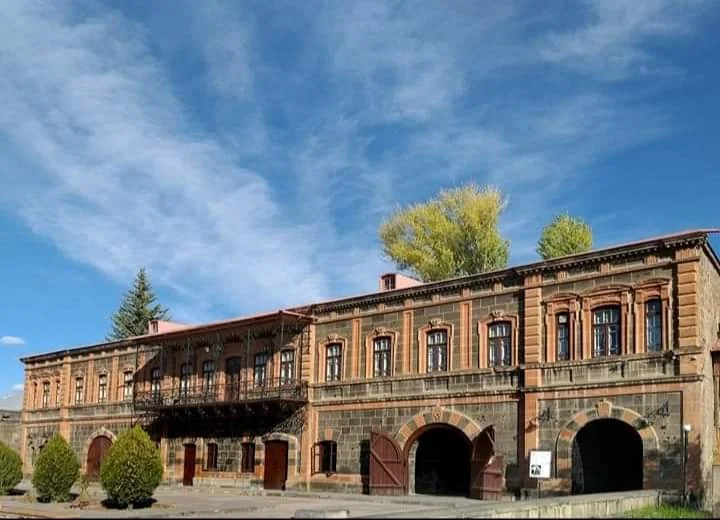
Dzitoghtsyan Museum
Dzitoghtsyan Museum
Gyumri, Armenia

A grand 19th-century black-and-red tufa mansion recreating Gyumri merchant life.

TicketedIn Gyumri
View Listing →
Dilijan Geological Museum
Dilijan, Armenia

Geology exhibits plus a surprisingly strong fine-art gallery in leafy, forested Dilijan.

TicketedIn Dilijan
View Listing →
Mikoyan Brothers Museum
Sanahin, Armenia

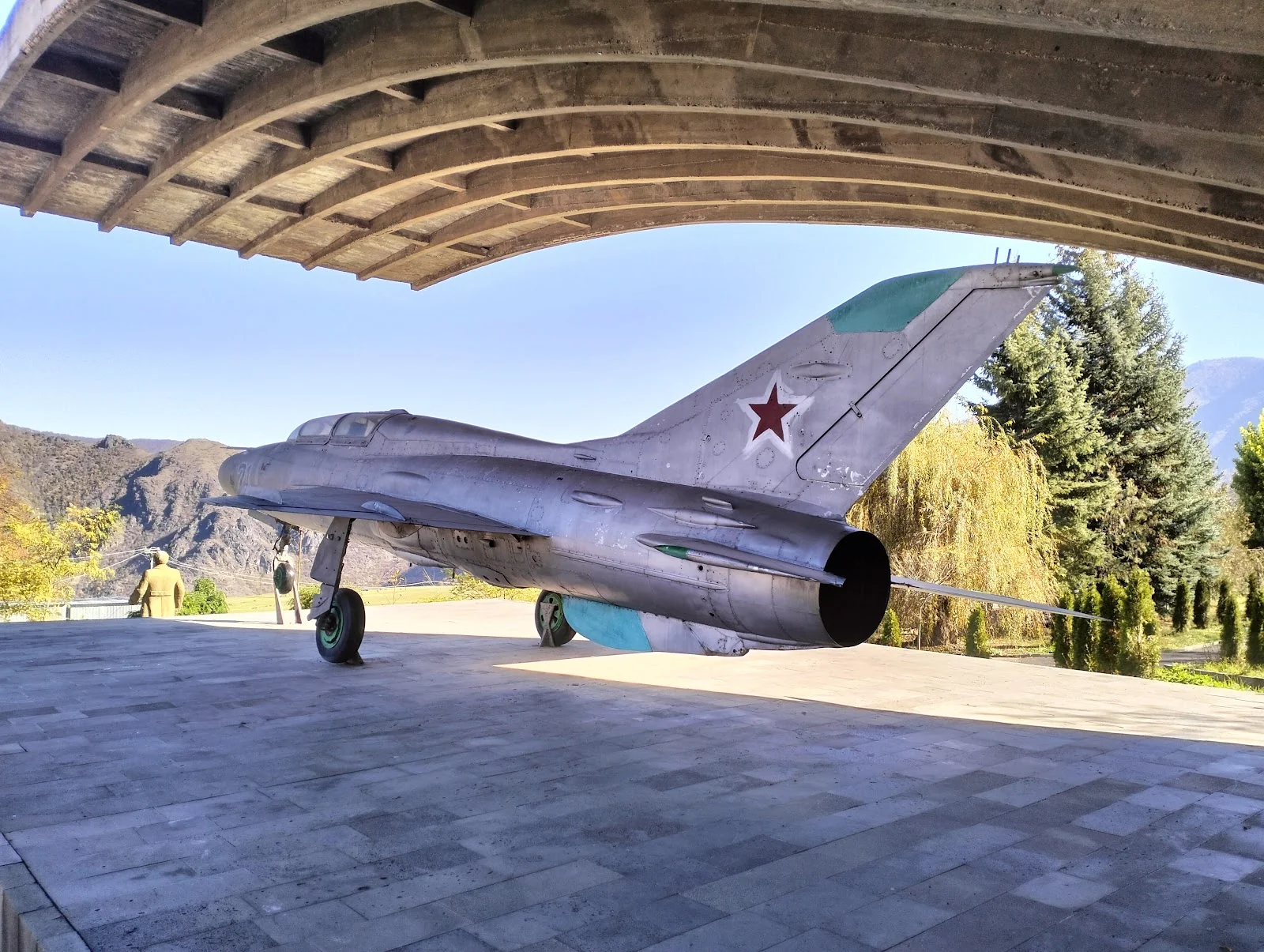
Story of the MiG aircraft designer and Soviet statesman — a real MiG jet sits outside.

TicketedMiG free to view
View Listing →
Start Here

Planning Your Museum Itinerary

Most of Armenia's flagship museums are clustered in Yerevan, the capital, which makes it easy to see several in a single day on foot or with short taxi rides. Plan two to three full days for the city's highlights, then set aside a day trip or two for the memorials, monasteries, and regional museums beyond the capital.

A few practical notes before you go: most museums are closed on Mondays and run roughly Tuesday through Sunday from 10:00 AM to about 5:00 PM. Admission is inexpensive — usually 1,000–2,500 dram (about $3–7) — and several are free. If you plan to visit many in a short window, the Yerevan Card bundles free or discounted entry. For broader trip planning, see our Traveling to Armenia resources. Guided tours are well worth it at the Matenadaran and the History Museum, where the deeper context turns a quick walk-through into the highlight of a trip.

Yerevan

The Essential Museums of the Capital

Matenadaran — Institute of Ancient Manuscripts

Crowning the top of Mashtots Avenue, the Matenadaran holds one of the world's largest collections of manuscripts — more than 17,000 items spanning over 1,500 years. You'll see illuminated Gospels whose natural-dye colors are still vivid, early printed books, ancient maps, and medical and scientific texts. It's the single best place to understand why Armenians treasure their written word.

📍 53 Mesrop Mashtots Avenue, Yerevan

History Museum of Armenia

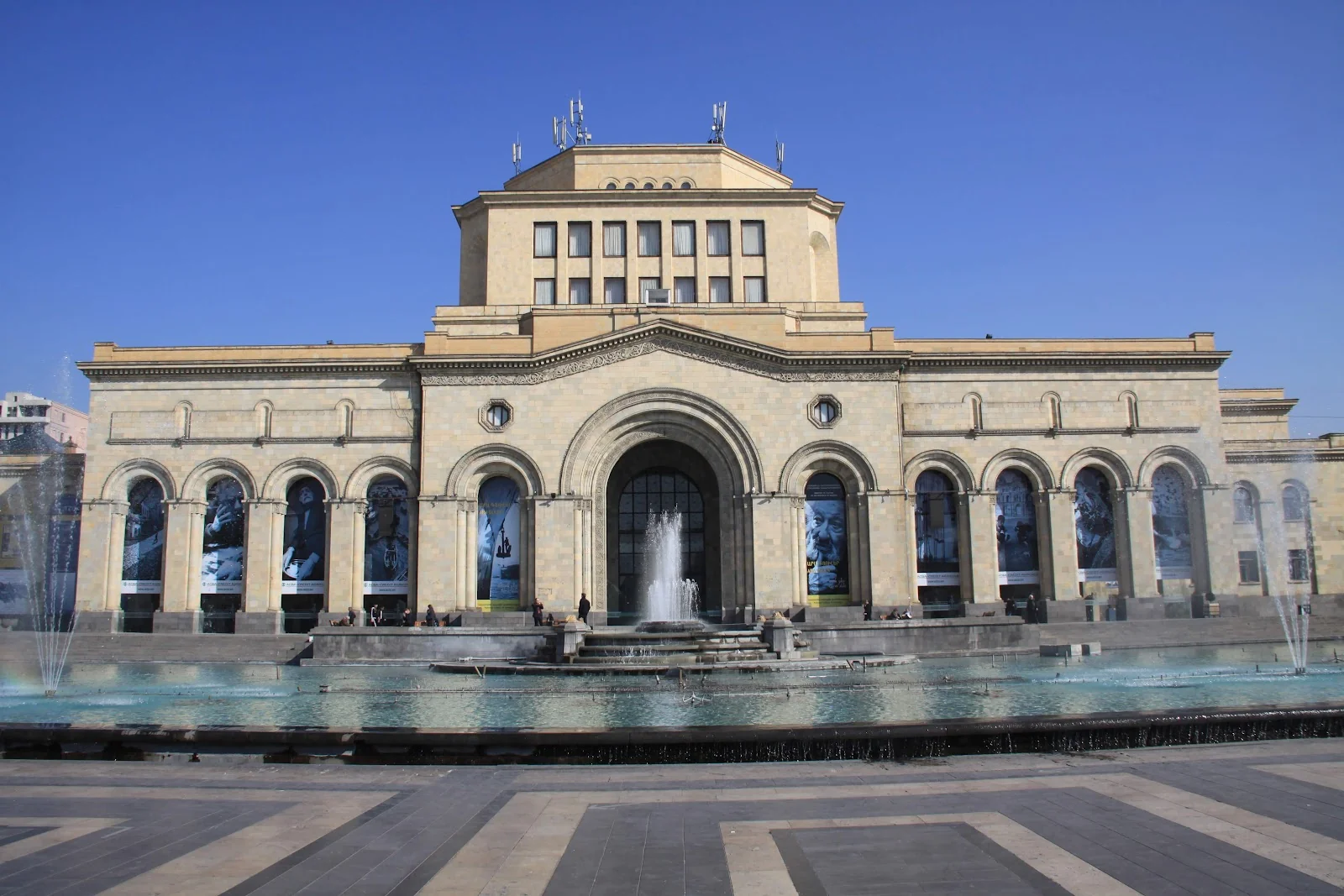
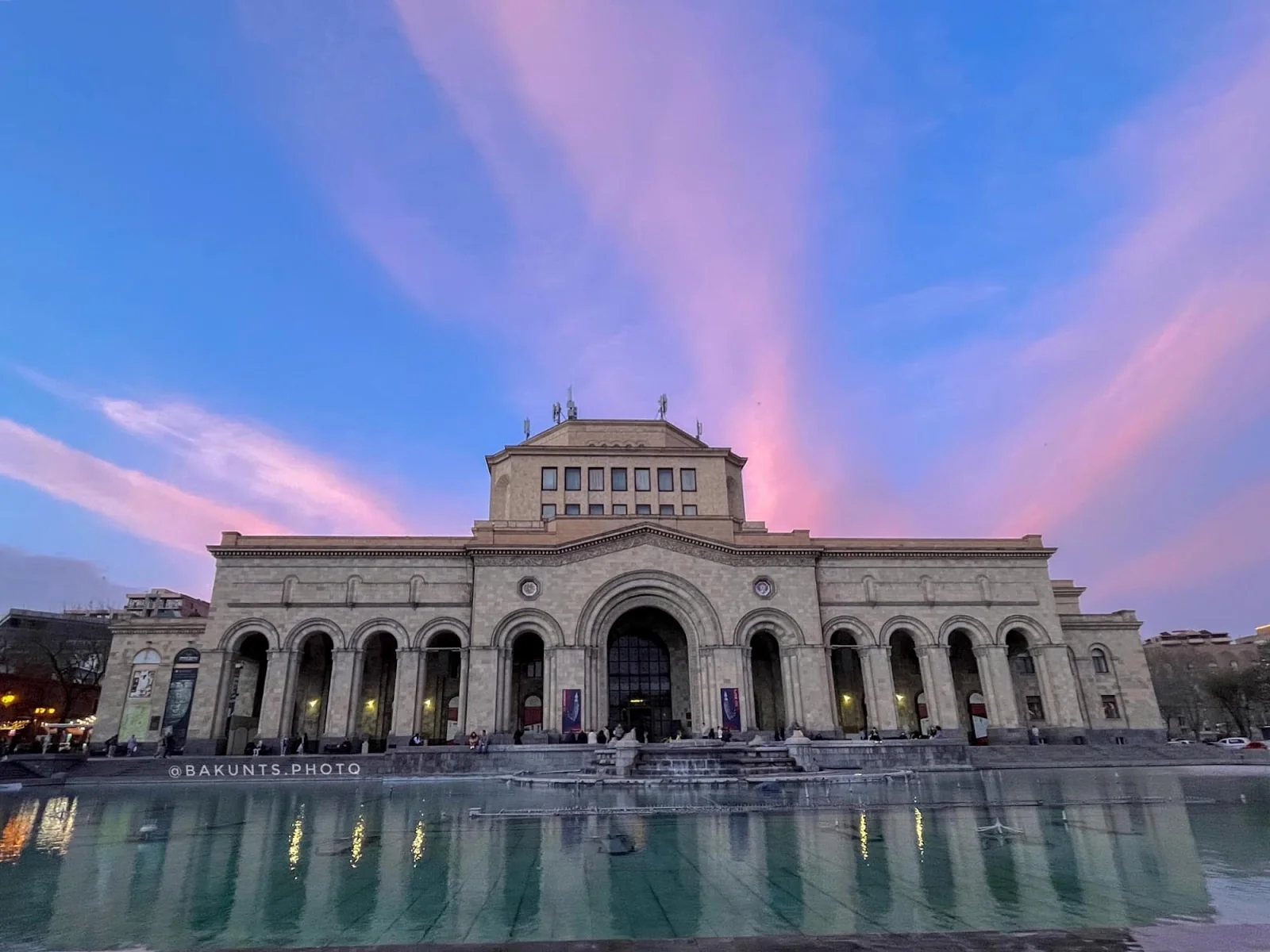
On Republic Square, the History Museum of Armenia walks you from the Bronze Age and the kingdom of Urartu through the medieval period to modern times. Founded in 1919, its archaeology halls — with petroglyphs, metalwork, and the famous leather shoe and wagons from Bronze Age sites — are the country's best single overview of its past.

📍 Republic Square, 4 Aram Street, Yerevan

National Gallery of Armenia

Sharing the Republic Square building with the History Museum, the National Gallery is Armenia's premier art museum. Its floors hold Armenian masters alongside European and Russian works, including a celebrated collection of seascapes by Hovhannes Aivazovsky. Combine it with the History Museum in one visit.

📍 Republic Square, 1 Aram Street, Yerevan

Armenian Genocide Museum-Institute

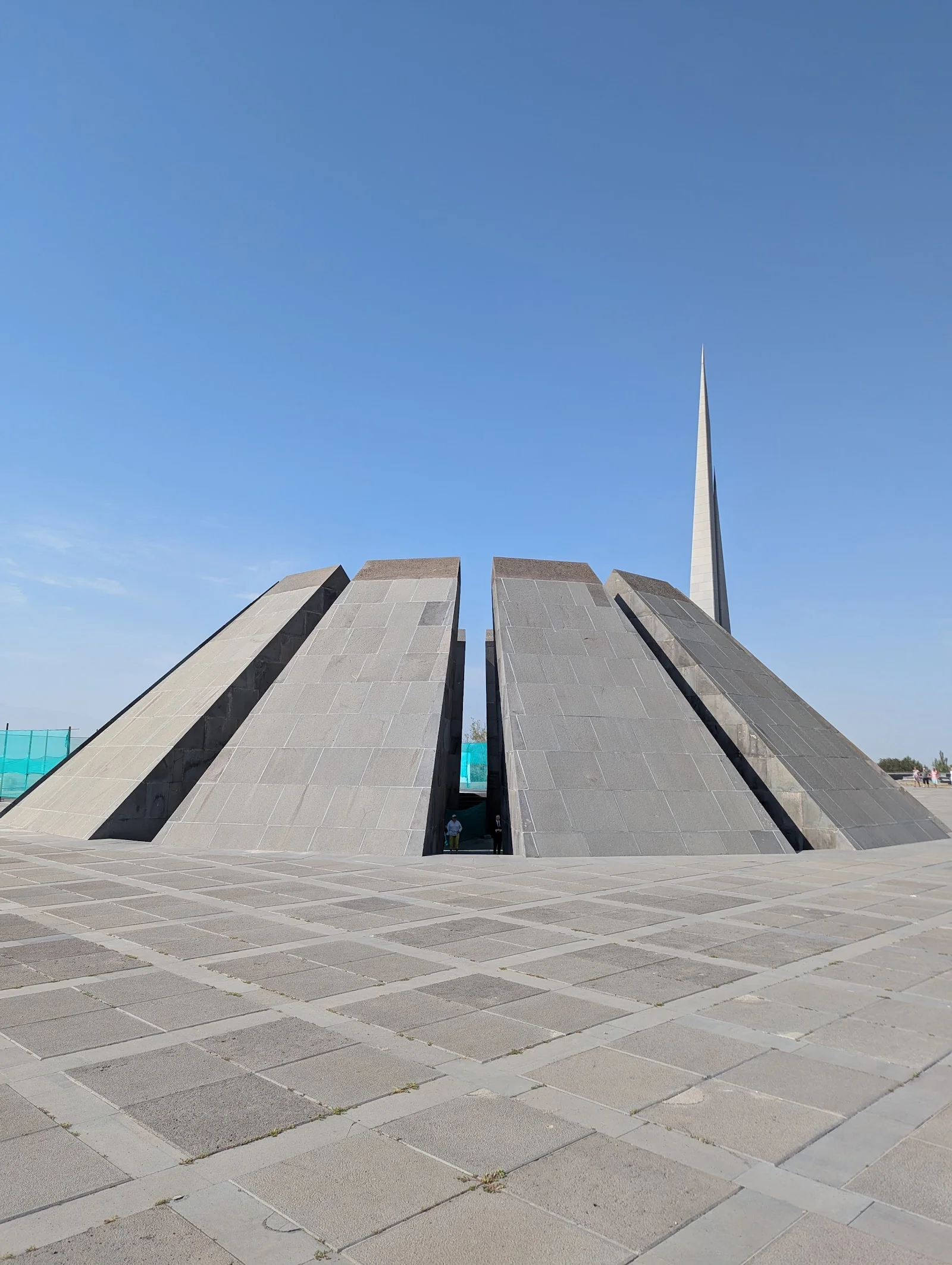
At the Tsitsernakaberd memorial complex, this is the most-visited museum in the country and an essential, sobering stop. The underground museum documents the 1915 Genocide through photographs, documents, and survivor accounts, and opens onto the eternal-flame memorial overlooking the Hrazdan Gorge. Admission is free.

📍 8/8 Tsitsernakaberd Highway, Yerevan

Cafesjian Center for the Arts (The Cascade)

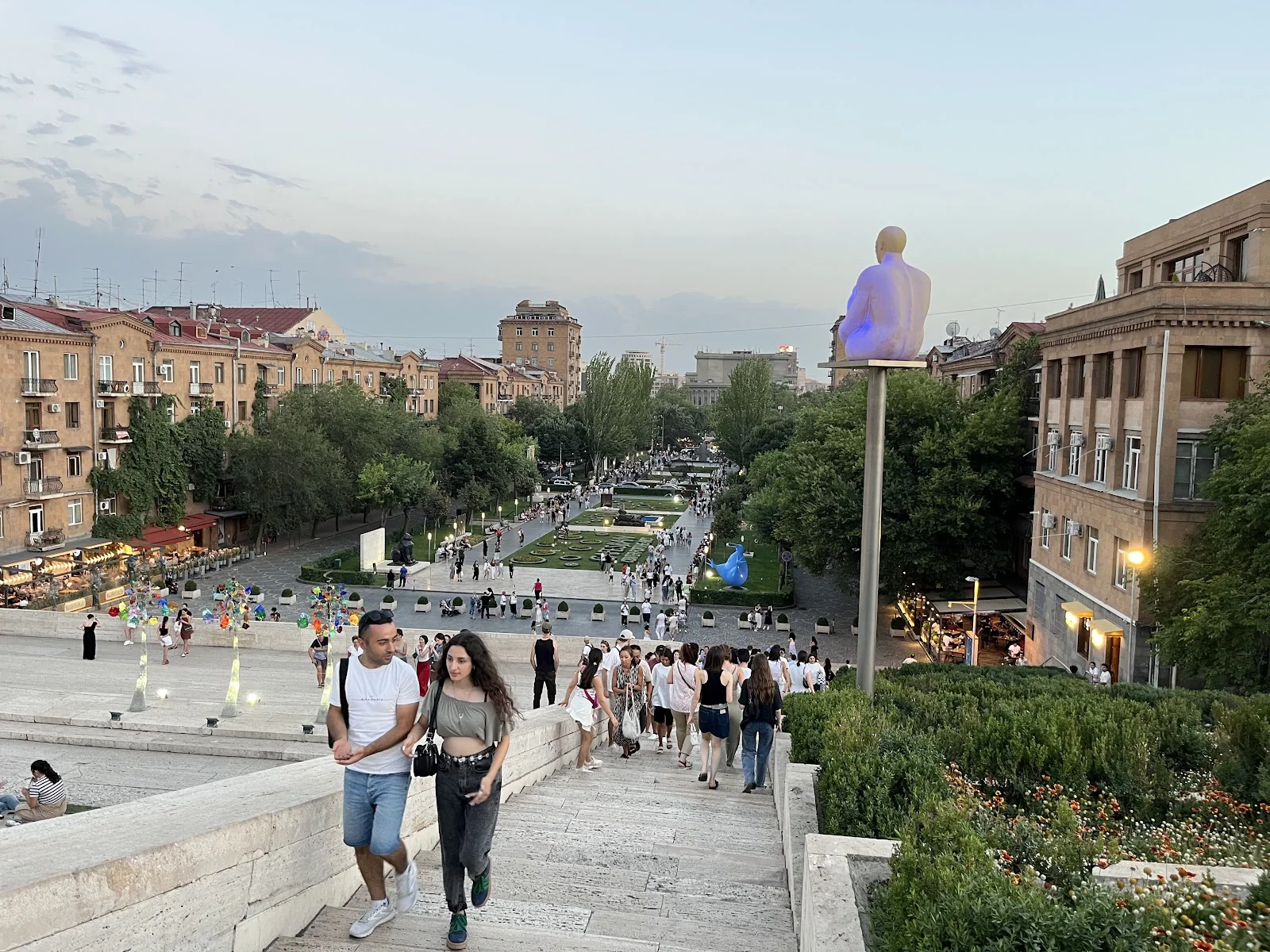
Built into the monumental Cascade staircase, the Cafesjian Center is Yerevan's hub for modern and contemporary art, with a renowned glass collection and rotating exhibitions. The sculpture garden at the base and the terraces climbing the stairs are free to wander, with sweeping city views — and Mount Ararat on a clear day.

📍 10 Tamanyan Street, Yerevan

Erebuni Historical & Archaeological Museum-Reserve

Yerevan is older than Rome, and Erebuni proves it. The museum sits at the foot of Arin Berd hill, where the Urartian fortress of Erebuni was founded in 782 BCE — the event the city dates its birth to. Inside are cuneiform inscriptions and finds from the citadel; outside, you can climb the excavated fortress itself.

📍 38 Erebuni Street, Yerevan

Sergei Parajanov Museum

One of Yerevan's most beloved museums, dedicated to the visionary filmmaker and collage artist Sergei Parajanov. Set in a traditional house in the Dzoragyugh district, it's a joyful, surreal space full of his collages, assemblages, drawings, and personal effects — proof of an imagination that prison and censorship never managed to cage.

📍 Dzoragyugh Ethnographic District, 15/16 Dzoragyugh Street, Yerevan

House-Museums: Khachaturian, Saryan & Tumanyan

Yerevan keeps the homes of its cultural giants as intimate museums. The Aram Khachaturian House-Museum honors the composer of the Sabre Dance, with his piano and manuscripts on display. Nearby, the Martiros Saryan House-Museum showcases Armenia's master colorist, and the Hovhannes Tumanyan Museum celebrates the country's most cherished writer. Each is a quiet, personal counterpoint to the big halls.

📍 Aram Khachaturian House-Museum — 3 Zarobyan Street, Yerevan
Beyond the Capital

Museums Worth Leaving Yerevan For

Sardarapat — Memorial & Ethnography Museum of Armenia

About an hour west of Yerevan in Armavir Province, Sardarapat commemorates the decisive 1918 battle that secured Armenian independence. The striking memorial of winged bulls and a bell tower stands beside the excellent Ethnography Museum of Armenia, which holds carpets, costumes, woodwork, and folk art from across the historic Armenian homeland.

📍 Near Araks village, Armavir Province (about 1 hr from Yerevan)

Treasury Museums of Holy Etchmiadzin

In Vagharshapat, the spiritual heart of the Armenian Apostolic Church, the Mother See of Holy Etchmiadzin houses treasury museums of sacred relics and religious art — most famously the Holy Lance (Geghard) said to have pierced Christ, alongside reliquaries, manuscripts, and vestments. It pairs naturally with the UNESCO-listed cathedral and churches around it.

📍 Vagharshapat (Etchmiadzin), Armavir Province (about 30 min from Yerevan)

Dzitoghtsyan Museum of National Architecture & Urban Life, Gyumri

In the handsome second city of Gyumri, this museum occupies a grand 19th-century black-and-red tufa mansion and recreates the life of a wealthy Armenian merchant family. It's the best window into the city's distinctive Alexandropol-era architecture and crafts. Gyumri also rewards art lovers with the Aslamazyan Sisters Gallery and the Mher Mkrtchyan museum.

📍 Central Gyumri, Shirak Province (about 2 hrs from Yerevan)

Regional Stops: Dilijan, Sanahin & More

If your route runs north, the Dilijan Geological Museum and Art Gallery surprises visitors with a strong fine-art collection in a leafy resort town, while the Mikoyan Brothers Museum near the Sanahin monastery tells the story of an aircraft designer and a Soviet statesman from the same village. These make easy add-ons to a Lake Sevan or Lori road trip.

📍 Dilijan, Tavush Province · Sanahin, Lori Province
FAQ

Armenia Museums — Questions Answered

What are the best museums to visit in Armenia?
The most popular museums are concentrated in Yerevan: the Matenadaran (ancient manuscripts), the History Museum of Armenia and National Gallery on Republic Square, the Armenian Genocide Museum-Institute at Tsitsernakaberd, the Cafesjian Center for the Arts in the Cascade, the Erebuni Museum, and the Sergei Parajanov Museum. Outside the capital, Sardarapat, the Dzitoghtsyan Museum in Gyumri, and the Treasury museums at Holy Etchmiadzin are well worth the trip.
What is the most visited museum in Armenia?
The Armenian Genocide Museum-Institute at the Tsitsernakaberd memorial complex in Yerevan is the most-visited museum in Armenia. Admission is free, and it pairs the museum with the eternal-flame memorial overlooking the Hrazdan Gorge.
How much do museums in Armenia cost?
Most museums are very affordable — typically 1,000–2,500 Armenian dram (about $3–7 USD) for adults, with discounts for students and children. The Armenian Genocide Museum is free. A Yerevan Card can bundle free entry to several museums if you plan to visit many in a short time.
Are museums in Yerevan open on Mondays?
Most major museums in Yerevan — including the Matenadaran, History Museum, Erebuni, and the Genocide Museum — are closed on Mondays. Standard hours are roughly Tuesday through Sunday, 10:00 or 10:30 AM to 4:30 or 5:00 PM. Always check the museum's official site before visiting, as hours change seasonally.
What should I see at the Matenadaran?
The Matenadaran holds one of the world's largest collections of Armenian manuscripts — more than 17,000 items spanning over 1,500 years. Highlights include illuminated Gospels with vivid natural-dye colors, early printed books, ancient maps, and medical and scientific texts. A guided tour is recommended to understand the significance of the rarest manuscripts.
museums in Armenia best museums Yerevan Matenadaran History Museum of Armenia National Gallery of Armenia Armenian Genocide Museum Cafesjian Center Cascade Yerevan Erebuni Museum Sergei Parajanov Museum Aram Khachaturian house museum Sardarapat memorial Dzitoghtsyan museum Gyumri Etchmiadzin treasury what to see in Yerevan things to do in Yerevan Armenia travel guide ancient manuscripts Armenia history of Armenia famous Armenians

Discover the Armenian Community Near You

Restaurants, bakeries, shops, and cultural organizations — all in one place.

Browse the Directory →